As a brand that consistently champions independence, creativity, and alternative cultural narratives, fritz-kola has been a natural partner for Listen Festival for the last couple of years. A part from providing us with the best caffeinated drinks to keep our marathon dance sessions going, fritz-kola also truly cares about our nightlife scene. For the 2026 edition of Listen Festival, we team up once again for the “Long Nights? Good Lights!” series. In this series we focus on the light-design of the festival together with Studio Phare, an integral part of our festival that is often overlooked when you talk about a good party. Together with fritz-kola we celebrate the people behind the scene that make our long nights even more special. We’re telling the story of the light-design at our festival through interviews and a video series focussed on the four main stations where we will party this year: Central Station, North Station, Congrès Station and Quadrilatères (South Station).
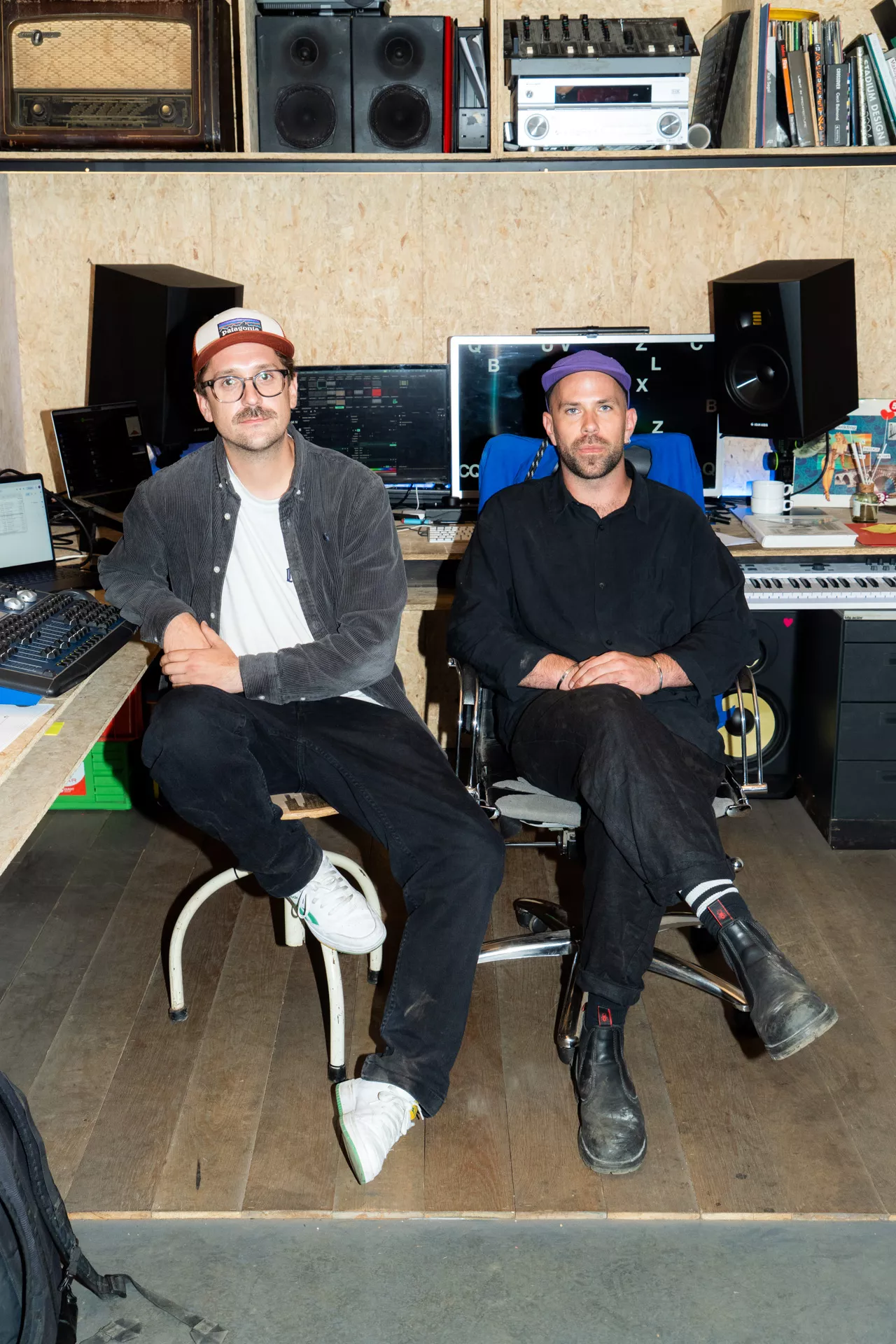
If you’ve joined us at Listen Festival over the last few years, there is a chance that you’ve been engulfed by the work of Studio Phare in one of our many locations. Beau and Tobias make up Studio Phare, a lighting design studio based in Antwerp that has been responsible for the lighting design of the festival for many years. Together with fritz-kola we’re highlighting their indispensable work, which is often overlooked when we talk about a great party. We met up with them at their atelier located in Archipel along the Schelde in Antwerp for a conversation about light but, peculiarly, also about shade and smoke.

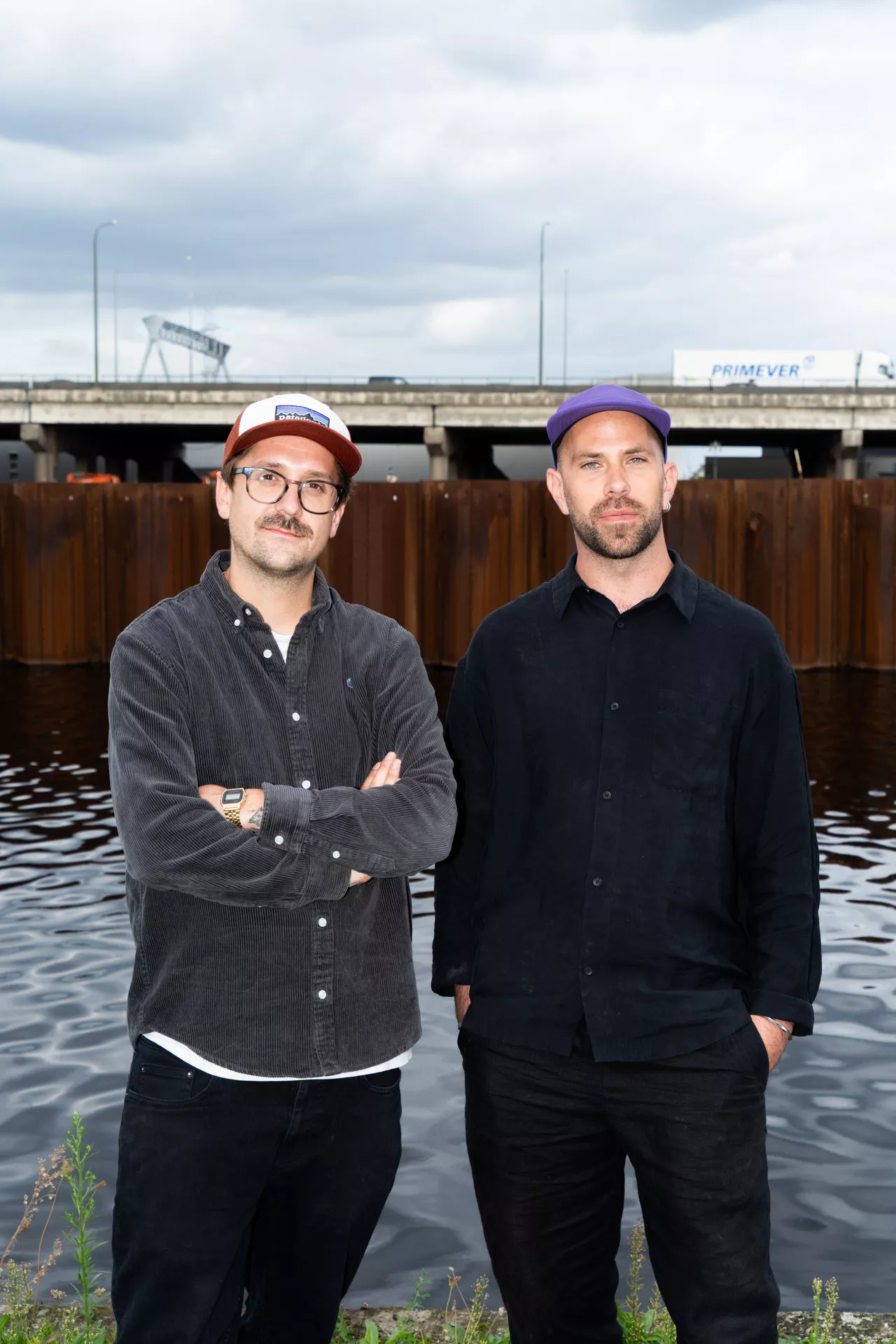
Where did Studio Phare come from? What’s your backstory?
Beau: We met each other at school but we didn't have much interaction and especially not on anything creative or lights.
Tobias: Indeed, you were a year older but I remember our interaction really started a while later when you called me with a question on LEDs for a project you were doing. From that moment we were crossing each other's paths more often. We also discovered that musically we’re really into the same thing and that really helped to define our path in light design as well.
Beau: A while later I was doing some things for Waking Life, then you helped me out there and we started hiring each other more and more. Tobias also became the fixed lighting operator for Ampère in Antwerp and every time there was a bigger act he would invite me to do visuals.
And from there we started doing Boiler Room, first in Antwerp and Brussels and then later on in other countries. Boiler room really made us progress in a lot of different ways because these were bigger productions with a lot of budget. Then at one point we just thought it would be easier to set up a company and stop hiring each other and just work together almost full-time.
Tobias: And then you woke up with the name Studio Phare in your head and that really captures the overall vibe of light design we want to bring.
Beau: Indeed, it’s a reference to a lighthouse that with its narrow ‘beacon’ like light really represents the style we want to bring. The lighthouse also creates a lot of shadow when the beacon is rotating and that’s really important in our creative process. For us the shadow is the most important part of the lightshow.

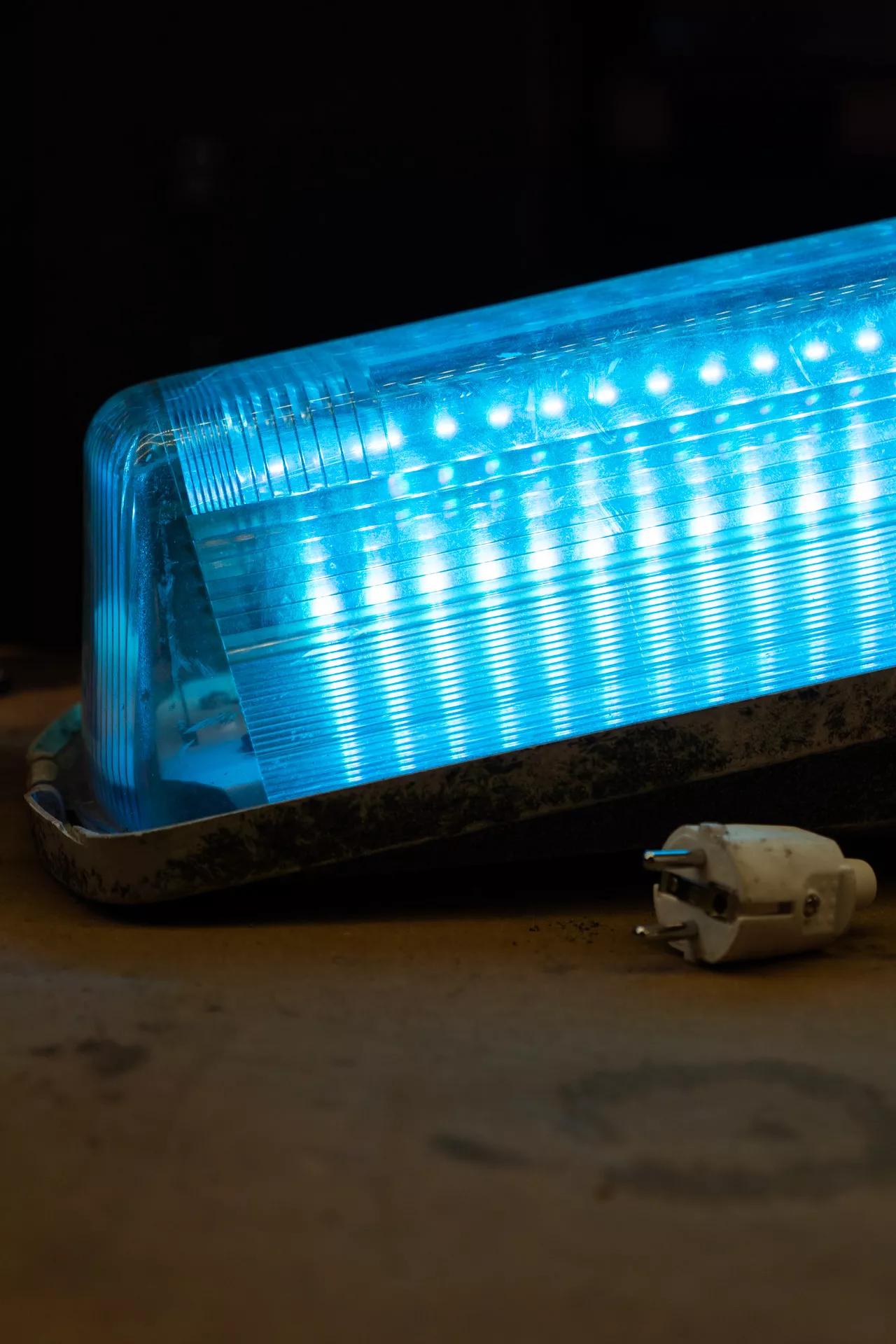

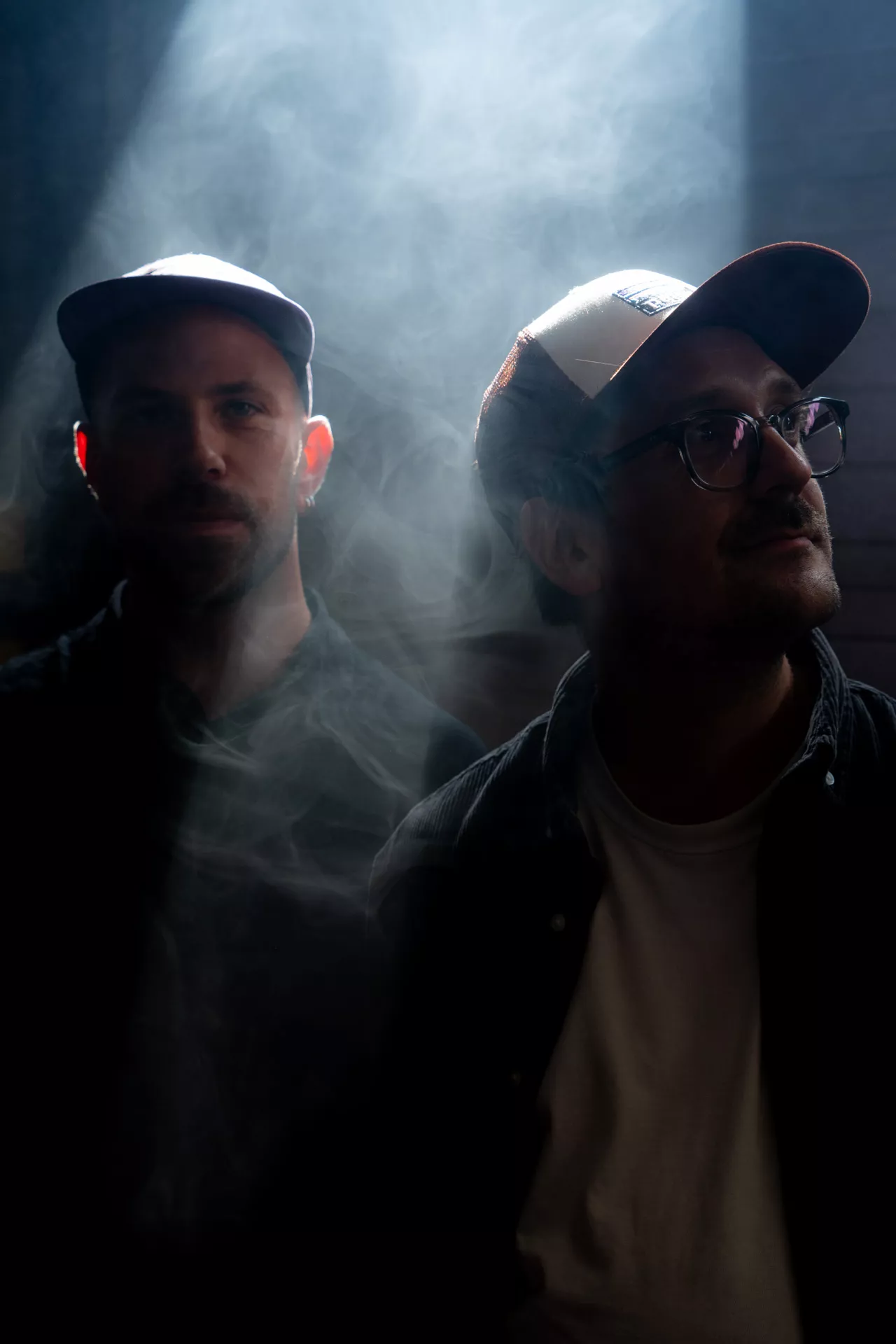

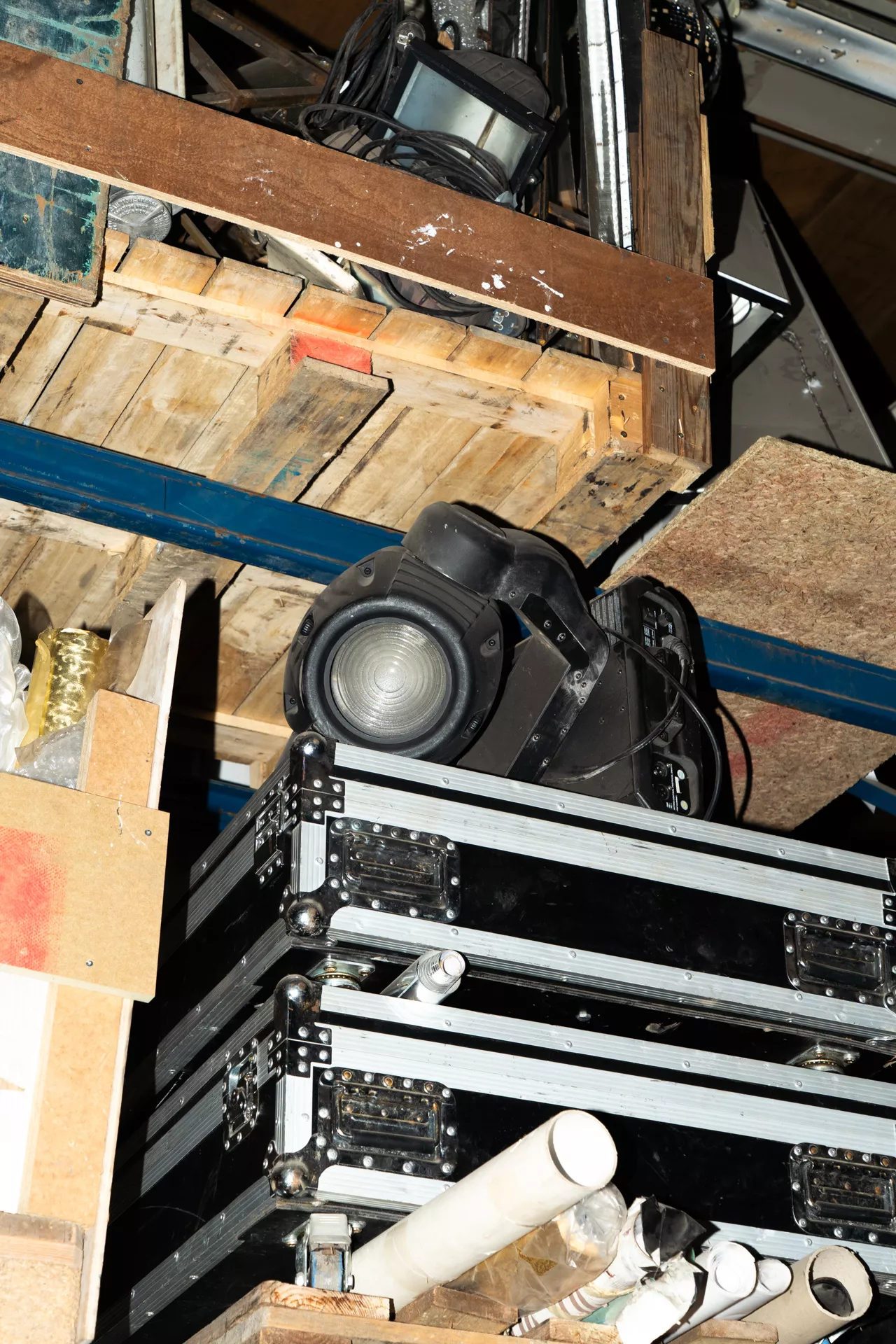
Your first time working for Listen Festival was at Studio CityGate in 2020, also one of the last events before COVID. Do you still remember a lot about that production?
Beau: We were invited to do the big 10 years of Boiler Room that was hosted by Listen Festival and we had to do the two rooms. I remember putting someone in the big room because we both felt like with Studio Phare we could highlight our style more in the smaller, more intimate room.
Tobias: Outside it was super cold and inside there was an unbearable heat but I remember it all being worth it because the industrial backdrop of City Gate was really rewarding to work with.
Beau: And it did end up being the last event before Covid indeed. What followed was such a weird rollercoaster: from one day into the other everything was shut down. But we still got offers to do festivals abroad because regulations were not the same everywhere. So I went to Hungary to do an event for instance and when I returned there was this big light festival that we had been preparing for here in our atelier. Eventually we had to turn into a streamed version because the mayor called us to stop the physical festival from happening.
Tobias: I went to Disneyland to work on their new Christmas parade for six months. That was such a weird time for the cultural sector if you look back on it. But personally I also didn’t hate it, it was a time to reflect and also re-invent ourselves a bit.
We’re returning to Studio CityGate this year: 6 years on, you’ve obviously amassed a lot more experience in the meantime. What has changed since the early days of Studio Phare?
Tobias: Especially our experience has changed a lot, we have spent a lot more time working together so our flow has become way more streamlined. Especially with experiences and stage-design taking more of a central role at festivals. I think our profound understanding and knowledge about lights is just way more evolved now.
Beau: I think also for me the biggest change has been that we’ve gone from a mind-set where we had to prove ourselves all the time six years ago to something much more in tune with what the venue or the room really needs. The times where we were always looking for stuff that hadn’t been done before is behind us and that ads a lot more balance.
Tobias: Yes, it’s a bit of a cliché but less is definitely more. We’re looking a lot more at what the architecture of the space really needs and which elements are already present at the venue.

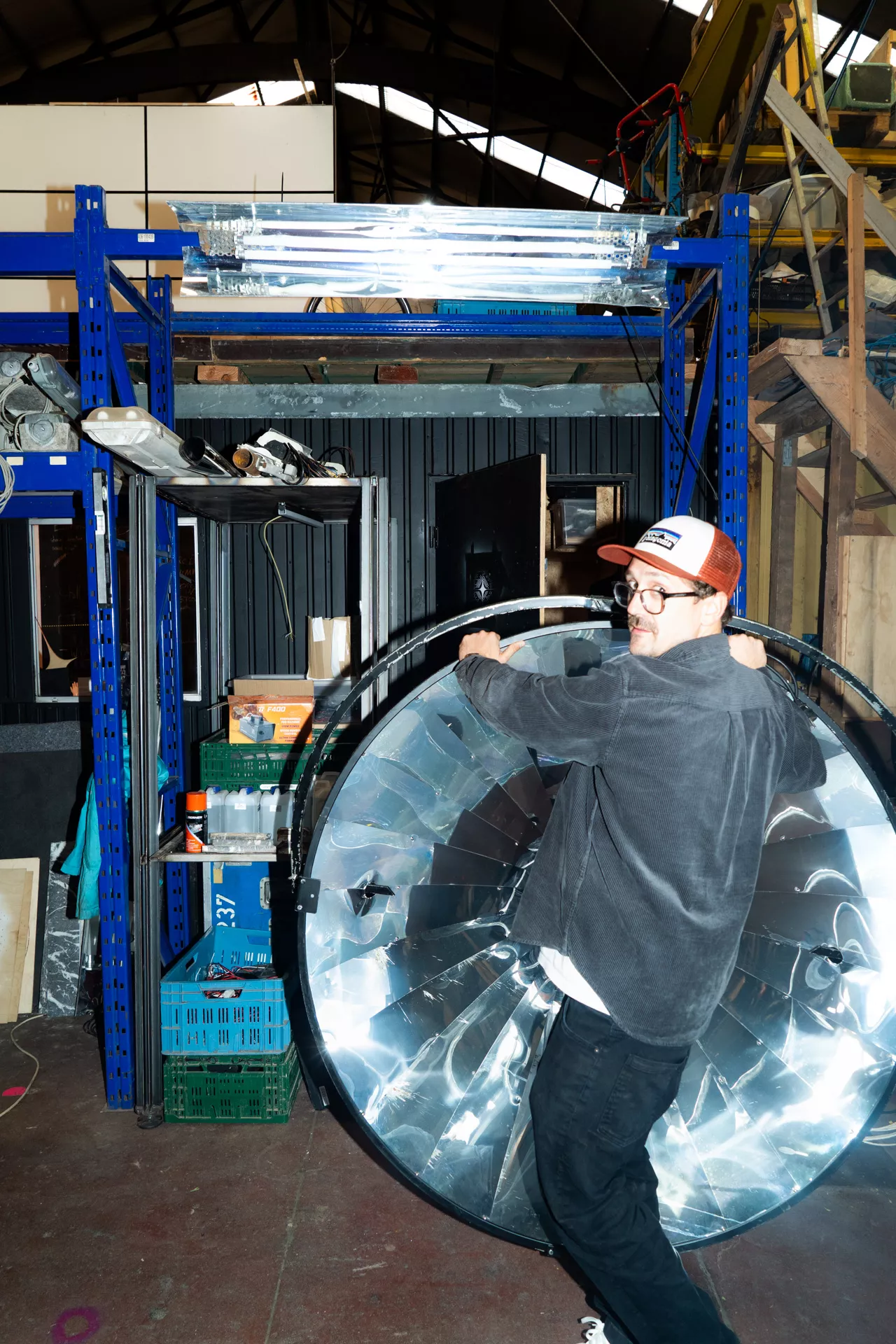

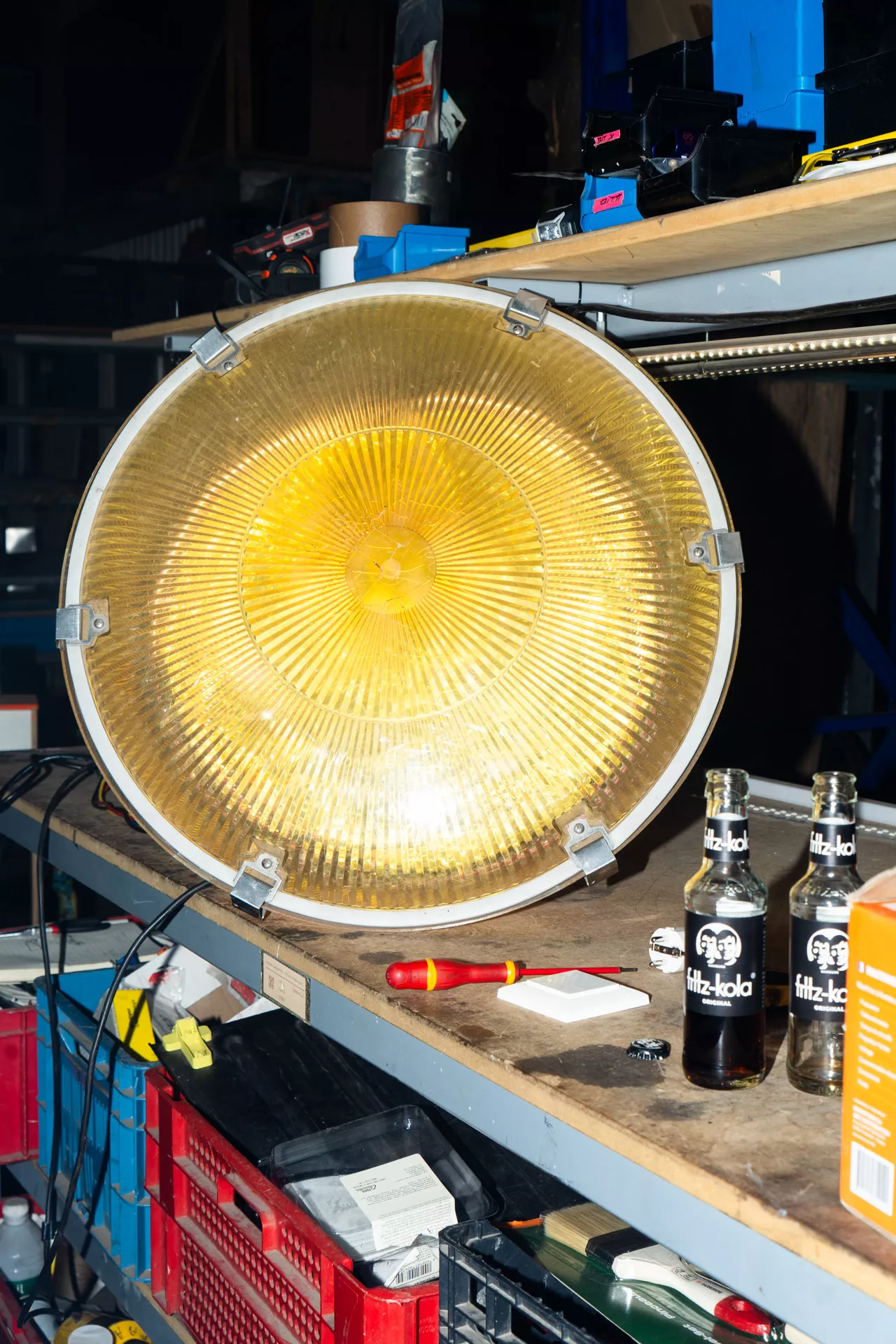

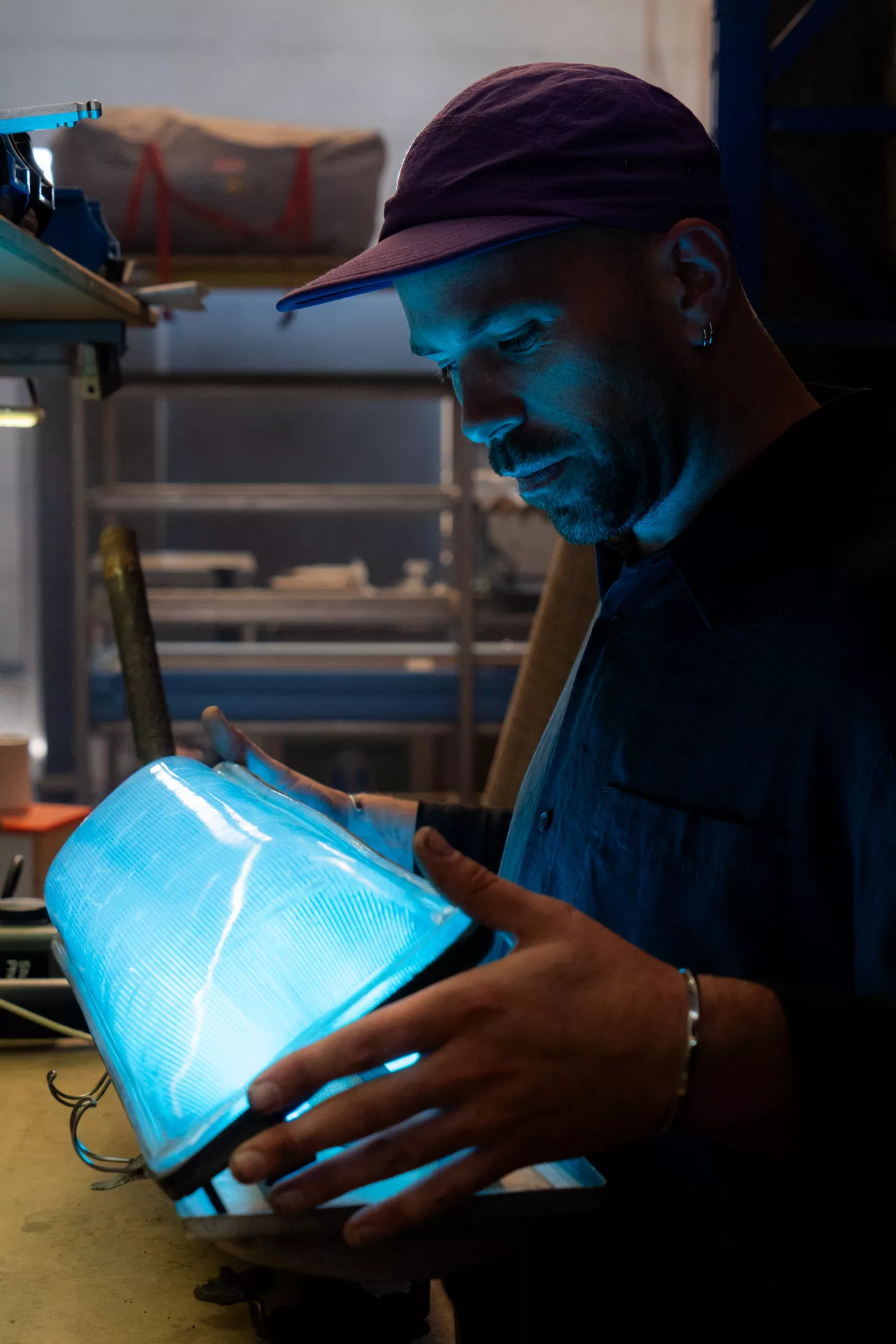
You’ve been involved with the lighting design of some venues of the festival and since last year you’re in control of the whole light design of all venues: can you give us an insight in the overall concept of the design for Listen Festival 2026?
Tobias: The overall idea for this year was to work with the main visuals that were designed by Zeevaarder. The circle is a recurrent theme for Listen but this year it has this sort of 3D, bubbly-like feeling.That's something that's gonna come we're gonna try to integrate in every location but it remains important for us to look at each location specifically as well.
Beau: This year Studio Phare will be everywhere and we’ll make sure that there will be more consistency. Our style has become quite recognizable and I'm sure the audience will feel like the overall light-experience of the festival is very consistent but yet also very particular to the venues. There is a new concept this year with one ticket giving access to all venues so we’re also thinking of some elements that we can place in all venues to really tie the experience for the visitors together.
How is it to work in iconic venues like the four stations in Brussels?
Tobias: It’s really interesting because you get a lot of limitations. For the stations for instance the build-up time is very short, everything has to be constructed and build-down in a matter of hours. So we put a lot of time into pre-production and preparation. We can't use smoke in the trainstations and if you know Studio Phare you know that this is a very big limitation for us. We really use some as a tool so you can make your beams of light a lot more visible. But limitations are also a challenge to work with and the architecture of the stations is so unique that we are always able to find a great compromise that works well in the room.
Beau: The Central Station for instance is very wide and it can feel very bright even at night. That's why it's super important to work with the right kind of lights and focus a lot on positioning and the positioning. These restrictions are also why we’re introducing lasermapping at Gare Du Nord this year. There are pigeon-spikes where we would normally put uplighters so we have to get creative but ultimately that is also our strong point and we like a challenge.

We see a lot more emphasis on stage-design and experience at parties and festivals. Do you feel the craft has evolved a lot in recent times?
Tobias: Definitely. I think Studio Phare has been growing faster than we thought it would, in part due to the fact that there is a lot of demand to create unique experiences.
Beau: Ten years ago we set ourselves some goals and I feel like we’ve already reached a lot of them because the sector has grown so exponentially and there has been just so much demand.
I do feel that a lot of the technology has also expanded quite quickly. Now there are so many possibilities but as we mentioned earlier there is also a beauty in working with restrictions.
Tobias: You can get more creative around limitations and also discover new things and techniques that you wouldn’t ever find working with unlimited budgets and possibilities. A lot of productions revolve around big screens and massive visuals but for us the main focus has always been the music. This is truly at the core and forefront of what we do.
Beau: We really need to feel the link with the music otherwise it’s hard for us to get involved. We’re also really into the same music and that really connects us. We're also not a production company so somebody who just calls us with a complete plan of what they want and they just want us to build it, that just doesn’t work for us. We need that creative involvement.
While the focus of festivals and clubs shifts to experiences and creating unique designs the costs have also risen a lot for productions in recent times. Is that something that affects lighting design as well?
Beau: I guess that that is indeed something that affects your work in a way. It’s a difficult thing but again when coming back to the restrictions: it can be an interesting way to find new inspiration. But in general I feel like all the clients we work with are all quite realistic in knowing what things cost and how we need to make the most of the budget.
Tobias: Our clients also call us specifically for what we do. They know where not just another production company. They work with us specifically for our knowledge and they trust us to make the most of the, sometimes small, budgets they have.

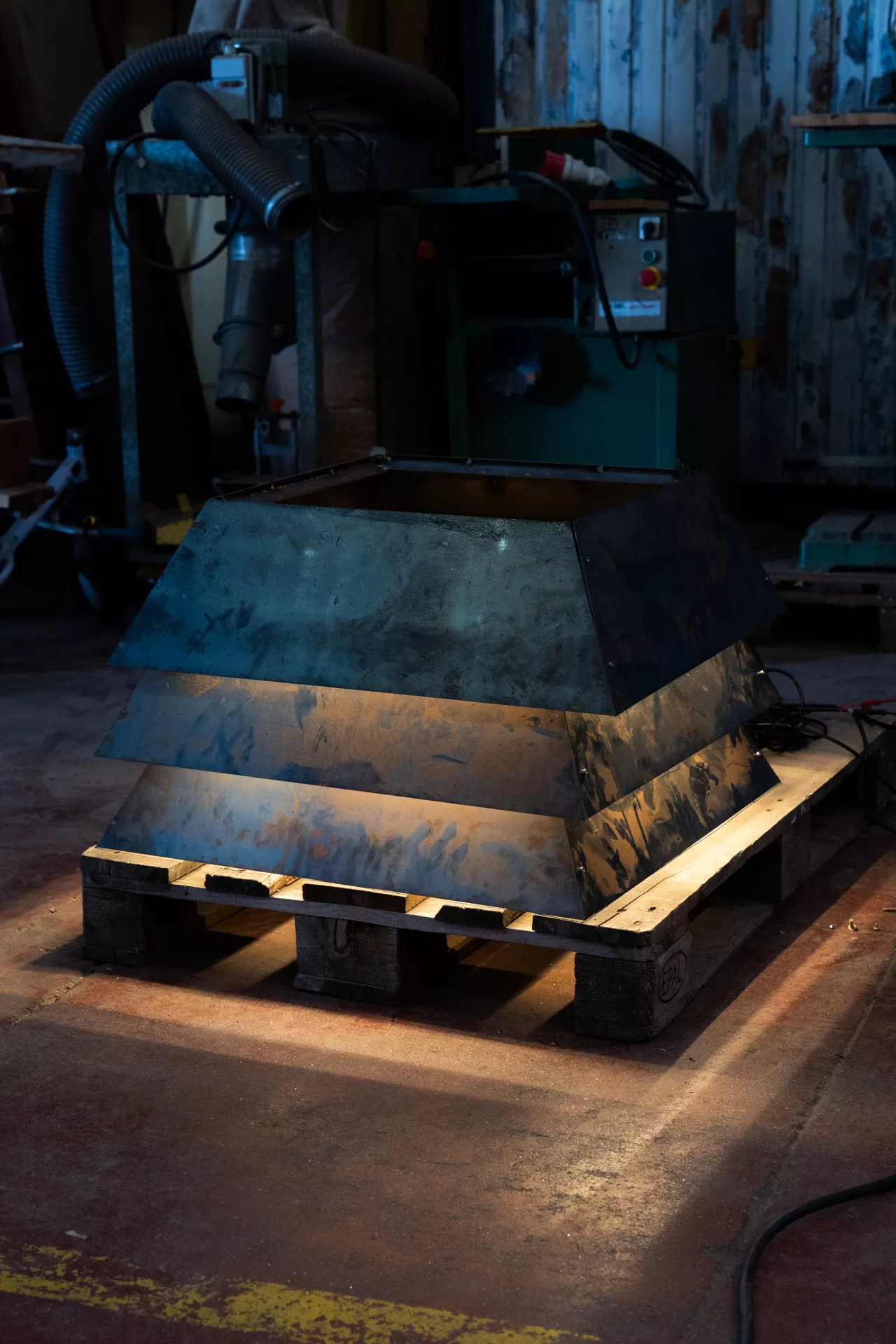


You do the same long hours and put in a lot of time away from home but yet you don’t always get the same recognition as let’s say the DJ or artists that play. How do you feel about that?
Beau: Of course we are aware that we are more in the shadows and we talk about it a lot. You can really feel the discrepancy. For Waking Life, for example, I go there as an artist for my installations but I also come there as part of the production crew and you get a completely different treatment. In a way that's absolutely normal of course but it would be nice to get some more recognition for our creative work as well.
Tobias: We notice that light design is still considered as a service by a lot of organisations and not as an art-form. But it’s slowly changing as well I feel. For example we get more and more people from the audience that come up to the front-of-house from where we operate to congratulate us on the lights and the design. So that’s really special and that is also kind-off why we do it.
Beau: What annoys me a bit is when a festival posts a picture of a stage with our lighting design on it and they tag the photographer and the artist but almost never us as the light designers. We’re both not the best at social media but it’s still an important part of recognizing and promoting our own work.
Tobias: Luckily most of our jobs come from mouth to mouth and other people in the sector recommend us but it would indeed be nice to have a bit more recognition.
There is obviously a big difference in designing everything from scratch or just operating the lights. How do you see that difference?
Tobias: Both are quite different indeed but for me it really boils down to the fact that you’re involved in the whole process. Obviously you have the design and the construction part, which we both think is super interesting but at the end of the day you also want to see what you build in action.
Beau: Indeed, we both have a back-ground in construction and we work with a lot of technology and technical components. But now that we are getting bigger and are accepting more jobs we also have to work with other companies for the building process. I find that a shame sometimes because I love to work with steel for instance and do the construction myself but you can’t just do it all.
Tobias: I think the combination between designing and operating is super interesting because you have every aspect in your own hands and you can really play with it.
Beau: The most important part of being involved in the whole process is indeed this ability to fine tune everything. You can put a lot more detail into every aspect of the process and that is where we really are able to make the difference.
Tobias: Also the other way around, if we design something and we have to have someone else operate it, I'm always wondering how it really looked in real life. Maybe the person operating doesn’t feel the music in the same way that you did when you envisioned the installation so there can be a bit of a discrepancy in that as well. Then again doing all of the processes all the time would also be impossible.

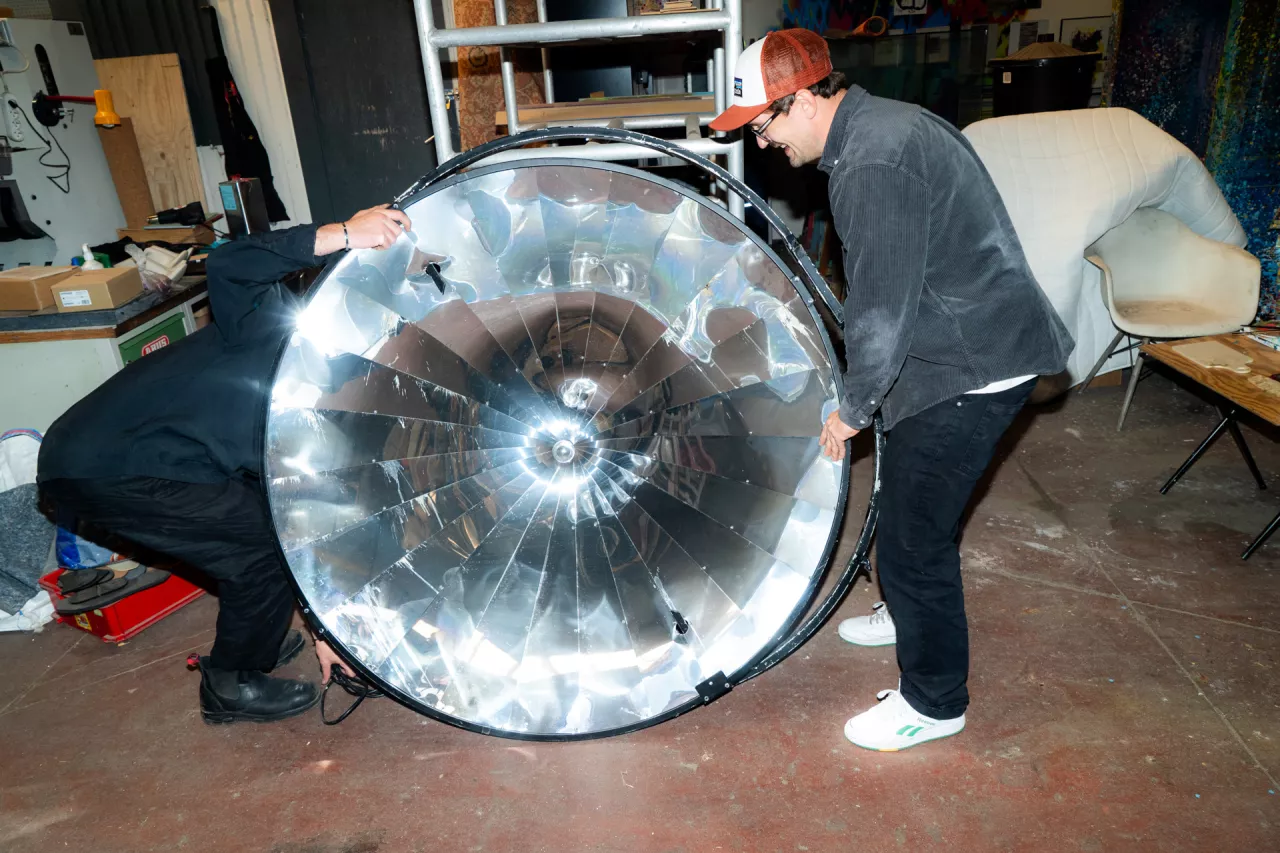
Does it take a certain type of person to work in this sector as a lighting designer or operator?
Beau: We’ve been doing this for over 16 years now. We always say if we wouldn’t be allowed to work as lighting designers or operators any more we would still be building lights in our free time. It’s just a passion and we put way too many hours in it but that’s just how it goes when you’re really passionate about your job.
Tobias: Indeed, if we would have to count all the hours that we spent on a project we would be way over budget all the time. So there is this factor that comes into play when we take on a project and again we have to really feel a connection to the music. Only then are we able to justify for ourselves all the extra time that we put into it.
Any advice for people that want to get started in the light design industry?
Beau: My advice is to not start with the basics, like start taking lamps apart and putting them back together and see what it does. Experiment with colour, find out what electricity is all about. You know just the plain and simple stuff that might even feel boring but it’s important to have a really good foundation.
Tobias: Yes same as with music: It’s important to start with the basics and not wanting to be to far ahead of yourself from the beginning. Like learn what a basic 4/4 rhythm is in music and melodies et cetera. It might seem very boring in the beginning but it really is the foundation of your work later. When you get into the design part of things you can have an amazing idea but if you don’t have any technical background you can’t deliver on those ideas.
To conclude: We imagine you have a fair share of anecdotes from all these years working in the sector. Any special stories you’d want to share?
Beau: Not so long ago there was this guy so enthusiastic, he came to the front-of-house in the back where it's dark. He sees us and he’s like "What the fuck is this for a crazy show! Here's a 20 euro tip." We're both like mouths open and unfortunately this doesn’t happen often otherwise we would be rich. In Lisbon for Boiler Room years ago there was this guy who starts hanging around the DJ-booth and hanging out in front of the camera and then he starts puking like really violently himself completely, but it was really, like, in front of a DJ, and it was like, "What the fuck?"
Tobias: I think that whole sequence is still online, actually. Two weeks ago we did the techno stage at Space Safari for the first time, but the stage doesn't close, so it's 60 hours nonstop. And I think I was there for 55 hours. I just didn't wanna leave. I was so proud of what we created there.
Beau: And then of course the most cliché is people coming up to the front-of-house and just trying to order a drink. It’s still insane to me like we’re operating a massive stage with a DJ right in the spotlight and yet people still think that we’re playing the music as well.